Difference between herbal tea and tisane and their benefits

When temperatures start to drop, radiators and electric blankets aren't the only great allies against the cold. Tisanes (Herbal Teas) and infusions can also provide a pleasant and warm moment of relaxation, enjoyable at any time of the day. Furthermore, these beverages are highly beneficial for the proper functioning of our body and, thanks to their noted beneficial properties, can help prevent certain health issues or common seasonal ailments. However, not everyone knows the true difference between infusion and tisane (herbal tea): we will now discover it together, dedicating space to their specific characteristics.
The difference between tisane and infusion (herbal tea)
Drinks like infusions and tisanes not only help us combat the cold during harsh winter days but can also support our body thanks to their beneficial properties. By carving out a sweet - and warm - moment for ourselves, we also benefit from all the unique characteristics of herbs and plants, which are known to address specific needs of our body. This is why it's important to know the difference between infusion and tisane, two worlds often identified as one, but which should actually be valued in different ways, and using the correct method.
Infusion: what it is and its benefits
The main difference between infusion and tisane lies in the ingredients that, once chopped, are steeped in hot water. Not surprisingly, the ingredients of an infusion are all derived from the same plant, and include its flowers and leaves. This category therefore includes tea, chamomile, rooibot, and the most prized karkadè (or hibiscus tea), a drink derived exclusively from the chopped petals of hibiscus flowers, and famous for its antioxidant properties.
The plant's leaves and flowers, left in hot or cold water, release their flavors, aromas, and fragrances. Chamomile, for example, comes from the infusion of the eponymous plant and has calming and relaxing properties, while tea is derived from the leaves of the Camellia Sinensis or Camellia Assamica plant; and is undoubtedly the most popular and consumed infusion in the world. Those looking for an elixir of beauty and wellness should sip green tea, which, due to its antioxidant power, combats cell aging. White tea, on the other hand, with its delicate and soft taste, helps stimulate metabolism as it is rich in vitamins E and C. For an energy boost, black tea is the variety for us, appreciated in various studies for its ability to maintain younger-looking skin and to aid in weight loss and the prevention of heart disease.
Tisane (Herbal Tea): what it is and its benefits
The term tisane, unlike infusion, refers to a beverage prepared with medicinal herbs, and therefore has the ability to administer the active ingredients of the very plants used during preparation. In short, it is a true beneficial infusion, to be sipped for pleasure and, above all, for all the benefits it brings to our body. Naturally, it should be complemented, where necessary, with adequate medical treatment.
A tisane consists of a mixture of a maximum of six medicinal plants chopped and infused in boiling water. To be effective and release all its properties, it generally has a very precise composition. In particular, we have a main plant called "remedium cardinale," which provides the beneficial active ingredient, combined with one or more plants called "adjuvants," used to facilitate the absorption of the main component and thus enhance the positive effects it has on our body. You will therefore understand that the combinations are virtually endless: all caffeine-free, we can drink tisanes at any time of the day, for a detox, draining (diuretic), relaxing, or digestive effect.
Tisane and Infusion: how to prepare them
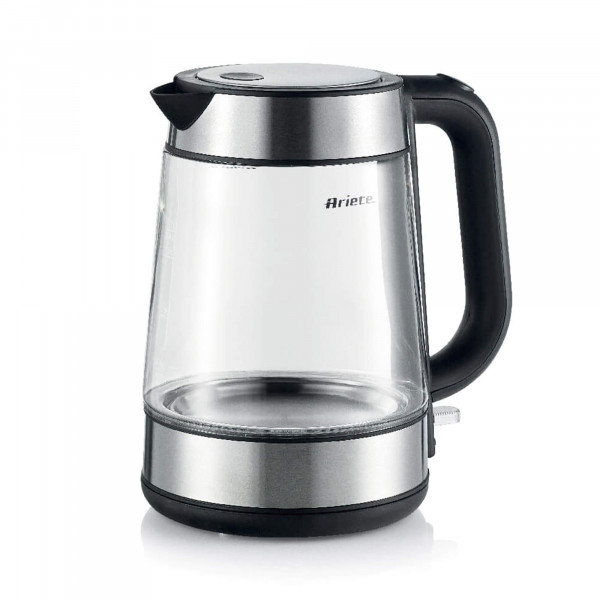
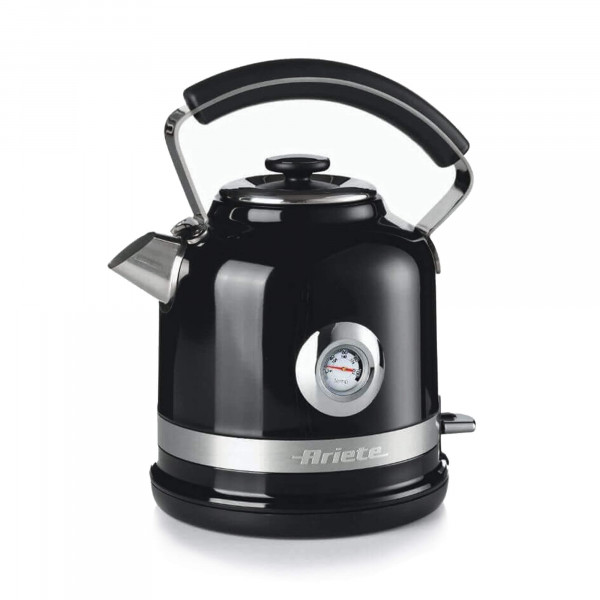
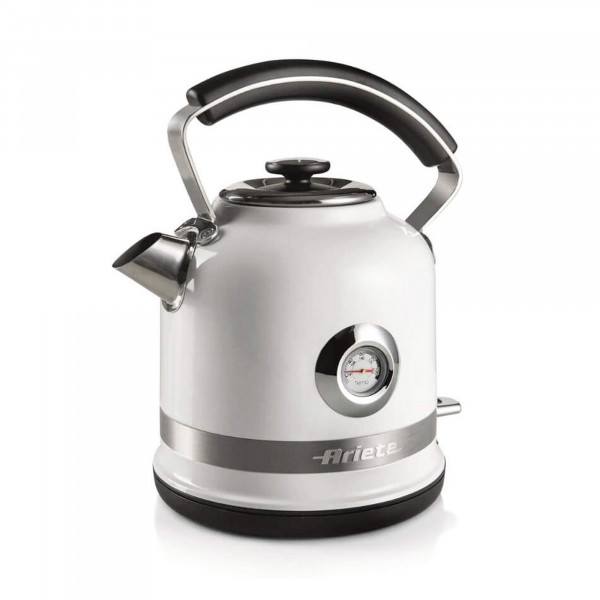
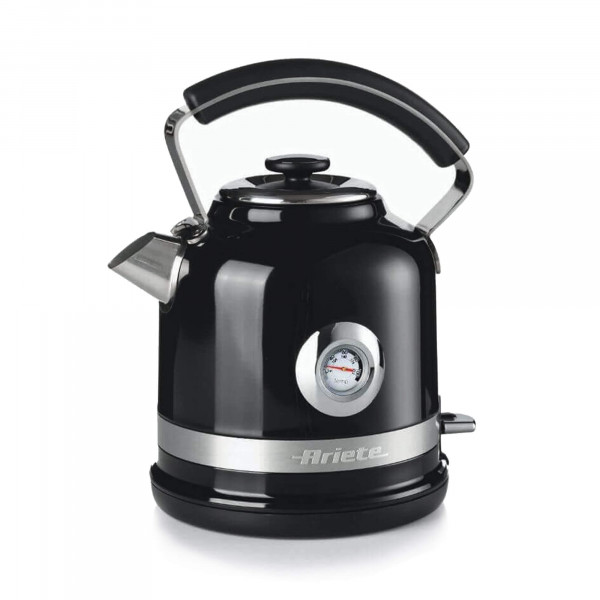
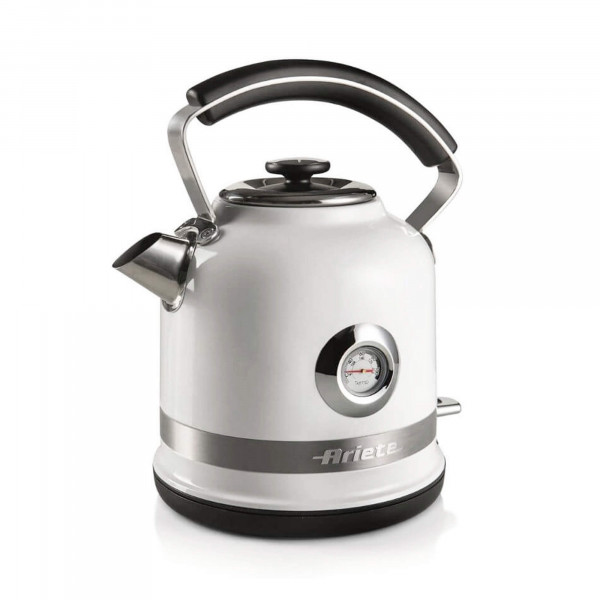
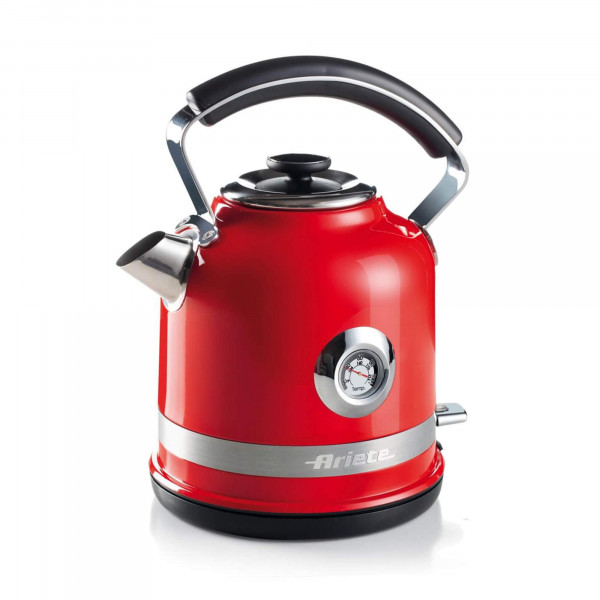
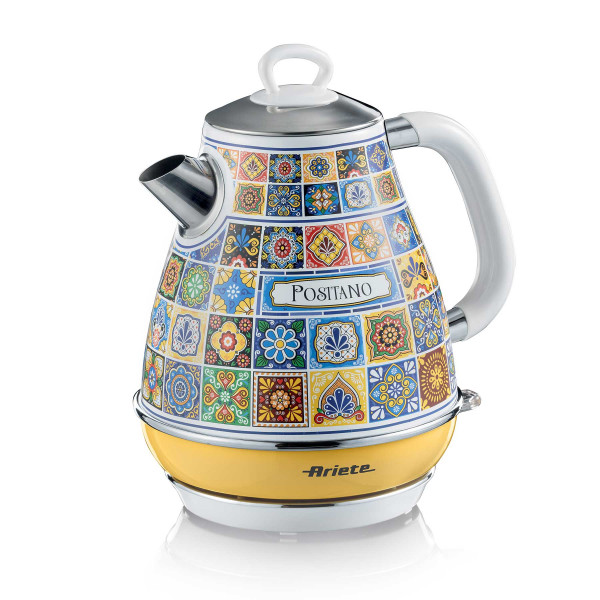
Now that we know the difference between infusion and tisane, all that remains is to choose our favorites and enjoy them whenever we feel like it. Whether in the morning to start the day with warmth and energy, or in the evening for a comforting treat to alleviate fatigue. In any case, for readily available hot water, Ariete's electric kettles are ideal: very simple to use, with a practical lever for switching on and off. Moreover, with very small dimensions and weight, which makes the appliance particularly practical to use and transport - thanks to the presence of a cordless base.
Regarding the preparation times for infusions and tisanes, these naturally depend on the beneficial ingredients they are composed of. Generally, the preparation times for these beverages range between 5 and 20 minutes of infusion, necessary to release aromas and properties. Furthermore, those who have decided to use tisanes for therapeutic purposes should consult with a nutritionist who can advise them on the right blend, to be consumed for a period of at least three consecutive weeks.

Related Products:
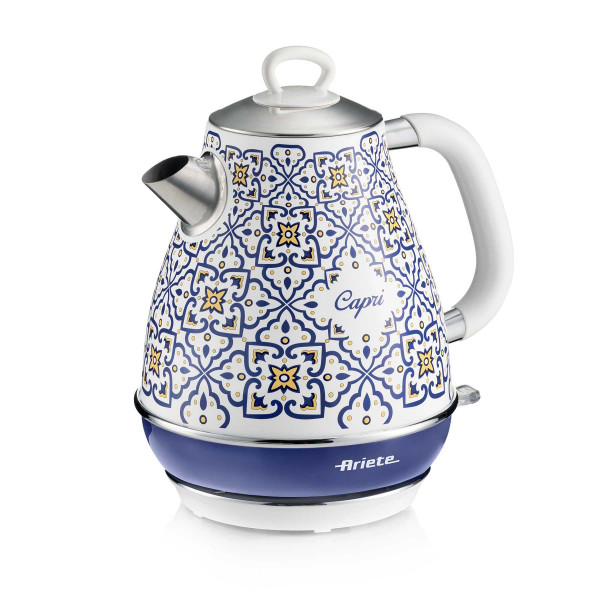
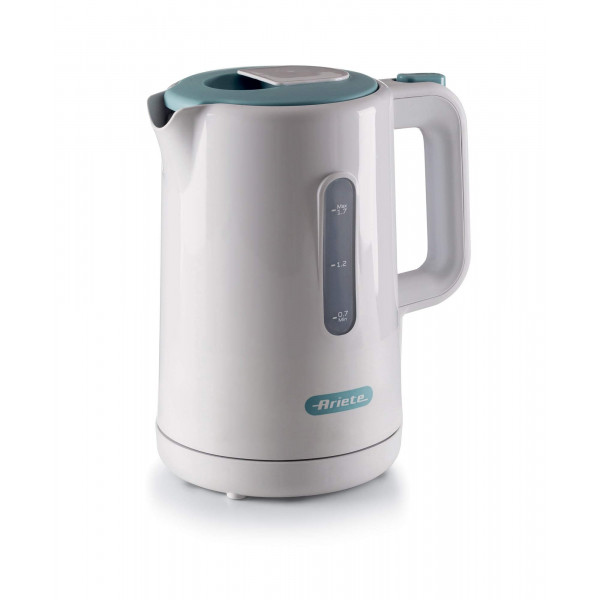
Kettle 1,7L Breakfast
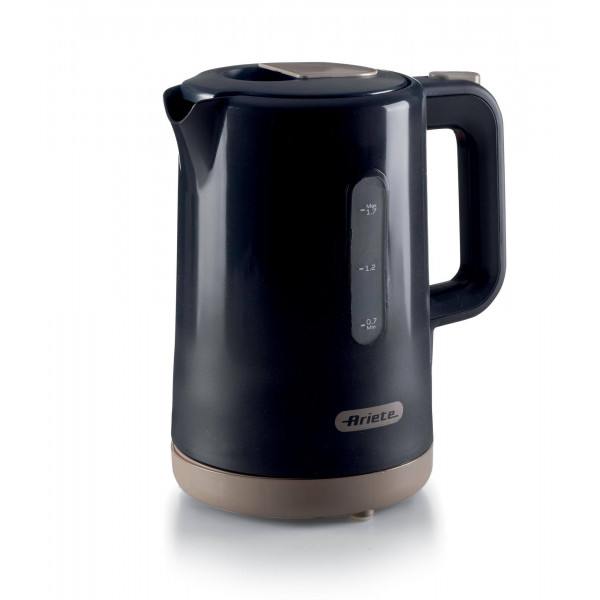
Kettle 1,7L Breakfast