Grated cheese: which type and how to store it
Cheese is one of those essential ingredients on our tables, widely used in traditional Italian cuisine. From north to south, there are countless types created and enjoyed, capable of satisfying the most demanding and varied palates. Furthermore, it is a particularly versatile food, offered in many variations: salty, spicy, sweet, aged, or fresh, it's impossible not to find at least one that meets our tastes. When grated, it transforms into the ideal condiment to make dishes flavorful and complete, as well as providing our body with a good amount of calcium. If it is true that there is no dry pasta without grated cheese, we will now discover which variations are best suited for grating and how to always have them ready on the table effortlessly, without forgetting the solutions for storing them optimally.
Cheeses for grating: what are the best ones
For us Italians, it is practically impossible to give up cheese on maccheroni. Grated cheese is a must, especially for those who appreciate pasta, and it can make even the simplest and easiest-to-prepare recipes flavorful and delicious. Not to mention its fundamental role in first and second courses to be cooked in the oven, to which it gives unique texture and taste. Considering that not all cheeses are the same, let's look at which varieties are best suited for grating, among the many present in our country's tradition.
Grana Padano
Grana Padano is one of the noblest ingredients on our table, as well as the most appreciated Italian cheese abroad. It is a light, low-fat cheese for grating, highly digestible and recommended by nutritionists as a valuable energy source. It is undoubtedly the most used in Italian cuisine, since its flavor blends particularly well with pasta and many baked first courses, such as lasagna. Furthermore, it is a food recommended in the diets of athletes, children, and the elderly, and it is best to grate it fresh to preserve its characteristics.
Parmigiano Reggiano
Parmigiano Reggiano is undoubtedly one of the symbols of Italian gastronomy. Second in production and export, it is very similar in shape, color, and texture to its "cousin" Grana Padano, but it has peculiar properties and characteristics that make it absolutely unmistakable. Even when lightly aged - its minimum aging is 12 months - the flavor is savory and herbaceous, unlike Grana Padano, which is known for its sweet and milky notes. The texture, however, is quite tender, while the aromatic hints are less intense.
Pecorino
It is practically impossible not to recognize the aroma and flavor of Pecorino. Composed only of milk and rennet, it is produced according to various aging types and following those little secrets passed down from generation to generation. And these make Pecorino special, whether it is Romano or Sardo. According to the best chefs, it is preferable to grate it just before serving, to best capture the intensity of the fragrance of this unique cheese.
How to grate cheese with Ariete
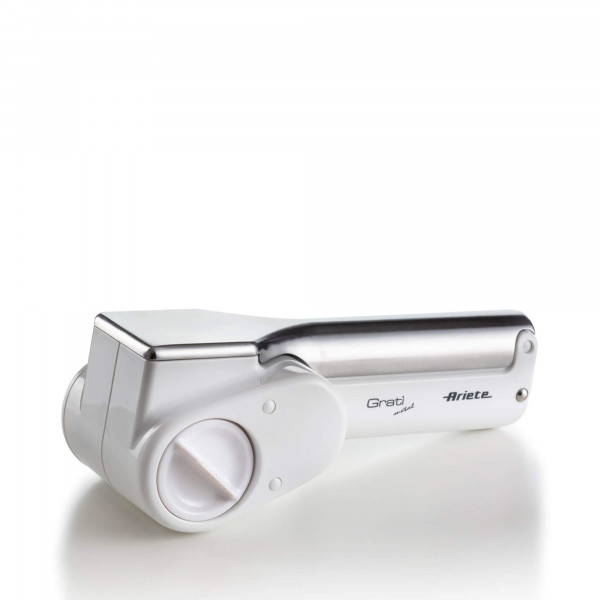
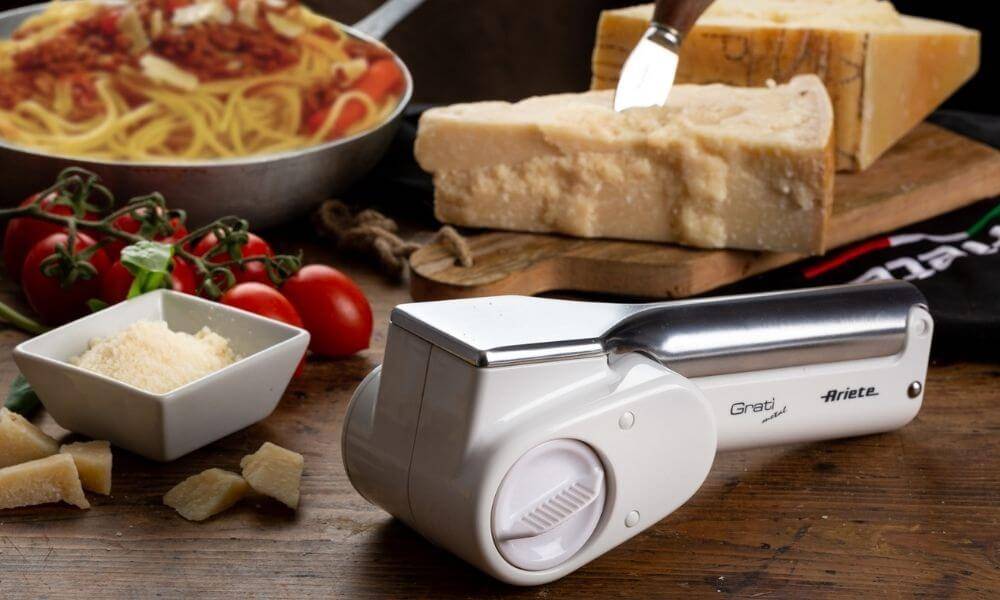
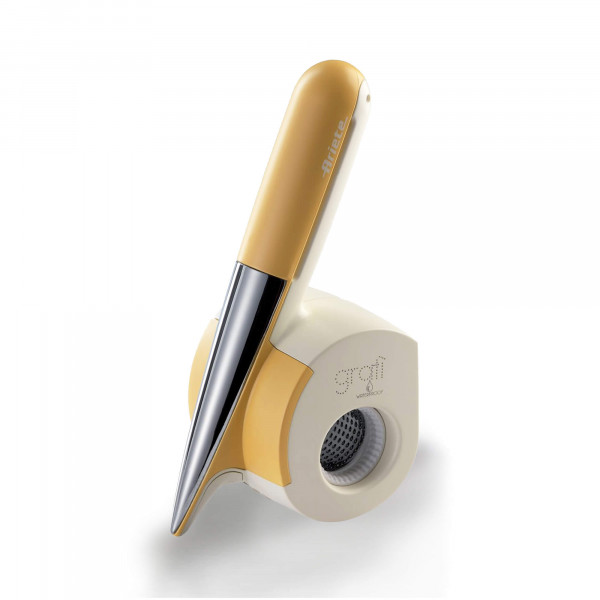
Always having fresh and flavorful grated cheese available is the dream of anyone who cooks. Achieving this is very easy - and practical - using the many electric graters from Ariete, which fill their catalog with many models and variations. Cordless, light, and handy, the classic Gratì models boast the same design and functionalities as the iconic product considered by Italians to be the rechargeable electric grater par excellence. Today it is even simpler to use and features cutting-edge motor and batteries to grate our favorite cheese perfectly.
The models with the new space-saving vertical base reduce clutter on the kitchen counter, while the waterproof ones are the only ones entirely washable under running water, without the need to be disassembled. Others also transform into a convenient cheese keeper with dispenser, thanks to the dedicated freshness-saving lid. There are also professional high-performance solutions: with just the pressure of a finger, we can grate anything, even the hardest and most resistant foods. All components of Gratì Ariete can also be disassembled and washed directly in the dishwasher.
How to store grated cheese
To store grated cheese optimally, it is necessary to follow some very simple but fundamental rules to preserve its freshness, along with its taste and aromas. This way, storage will be longer and healthier, and we will avoid unnecessary waste. There are two types of solutions to counteract the rapid deterioration of cheese. The first involves storing it in a cool and dry place, such as a cellar or the classic refrigerator. In this case, it should be kept in airtight containers, and for a maximum of 2 or 3 days. Alternatively, we can always proceed with freezing it in the freezer using the appropriate bag, as grated cheese contains very little water and does not tend to turn into ice. The recommended storage is from three to six months.



Related Products:

Gratì 2.0 Orange