
Neapolitan pizza dough, hydration, and expert baking tips
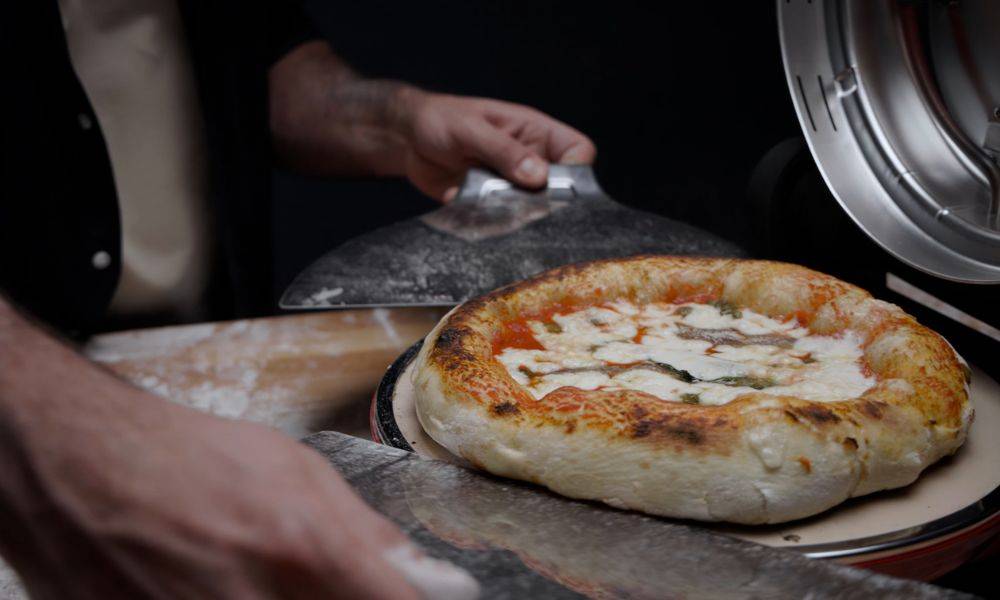
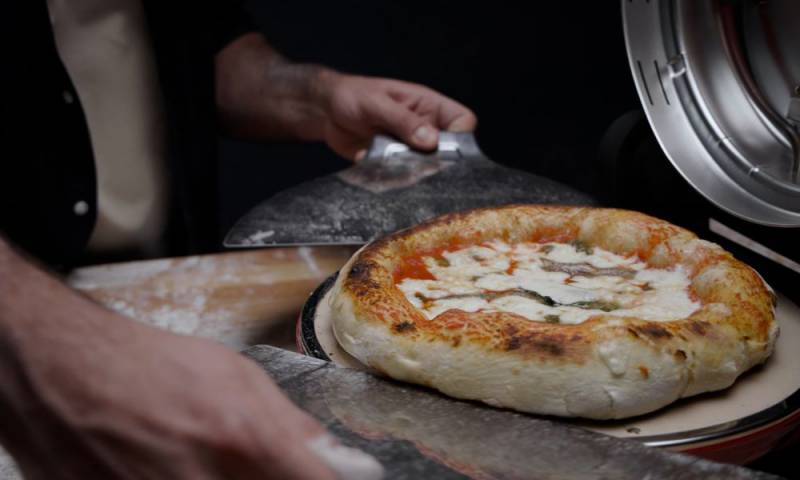
Baking a steaming Margherita with an intoxicating aroma and a perfectly airy crust is every home cook's dream. People often think that getting professional results requires a wood-fired oven. In reality, learning how to make pizza at home is not only possible, but with the right technical steps and equipment, it can yield amazing results that beat lukewarm takeaway pizzas every time.
Authentic Neapolitan pizza dough: Ingredients and proportions
Everything starts with getting your hands messy. Traditional Neapolitan pizza dough requires simple ingredients balanced to perfection: flour, water, salt, and fresh yeast. The choice of flour is crucial: opt for medium-strength Type 0 or 00 flour (ideally with a "W" value between 260 and 300) to support a long fermentation process.
A classic dough recipe relies on these proportions:
- 1 kg flour
- 600–650 ml water (60–65% hydration)
- 25–30 g salt
- 1–2 g fresh cake yeast (depending on ambient room temperature)
The secret to hydration and fermentation
To achieve a soft, melt-in-your-mouth crust, dough hydration plays a vital role. Water content equal to 65% of the flour's total weight ensures an elastic dough that pushes gases outward during baking, creating the famous puffy crust (cornicione).
- The resting rule: Once kneaded into a smooth gluten structure, let the dough rest. The key to a highly digestible pizza is long fermentation: let your dough balls (around 250g each) mature at room temperature or in the fridge for 12 to 24 hours.
The crucial role of home pizza oven temperature
The biggest hurdle when baking at home has always been heat. Professional pizzeria ovens exceed 400°C (750°F), cooking the dough via thermal shock in just 60 to 90 seconds. Rapid baking seals in moisture before hydration evaporates. Conventional built-in home ovens barely reach 250°C (480°F), taking up to 15 minutes and drying out the dough like a cracker. That is why managing your home pizza oven temperature is critical: without intense heat, even perfect dough falls short.
The best tools for baking pizzeria-quality homemade pizza
How do you overcome the limits of a standard oven? The smartest solution is relying on specialized electric pizza ovens designed specifically to blast intense heat directly onto a cordierite or refractory pizza stone.
For flawless results, Ariete offers specialized appliances engineered to replicate wood-fired performance on your kitchen countertop:
- For traditionalists: The Da Gennaro professional pizza oven reaches 430°C (800°F). Featuring independently controlled heating elements, it lets you fine-tune top and bottom heat balance to cook authentic Neapolitan pizza on refractory stone in just 2 minutes.
- For modern style pizzas and calzones: If you prefer high, airy crusts typical of contemporary pizza styles, the Pizzeria Gourmet oven features an extra-tall baking chamber (8.2 cm) allowing dough to expand without touching the upper element. Reaching 400°C (750°F), it bakes in 3 minutes and includes a removable non-stick stone for effortless cleaning.
- For family gatherings: When serving groups, the Double pizza oven uses two refractory decks with separate controls to bake two pizzas simultaneously at high heat, doubling output without losing quality.
Conclusion
Making great homemade pizza is a true labor of love. With proper hydration, quality ingredients, and high-heat ovens, your kitchen can churn out pizzeria-worthy pies every time.
Related Products:

Pizzeria Gourmet
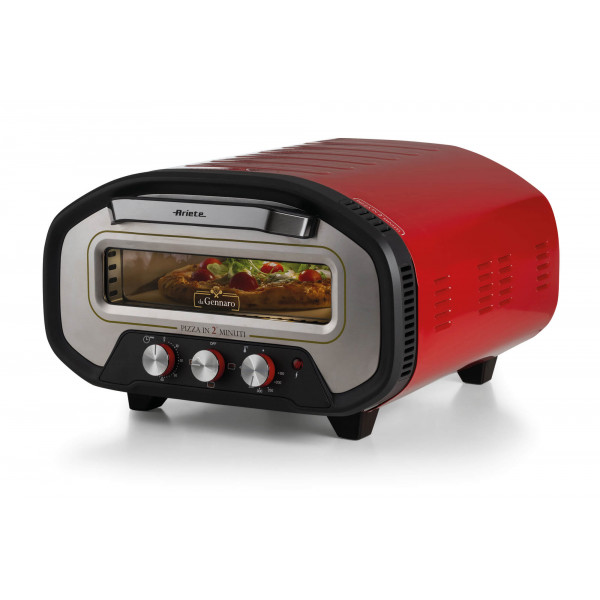
Da Gennaro

Pizzeria Ariete Black

