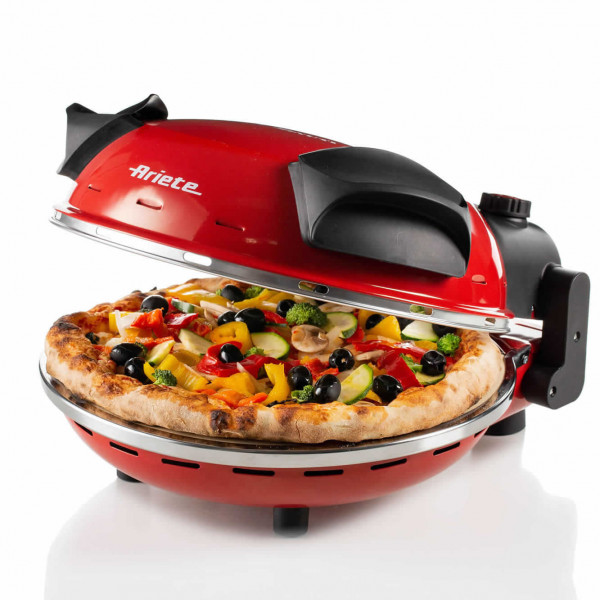
Refractary pizza stone: what it is, how to use it and clean it
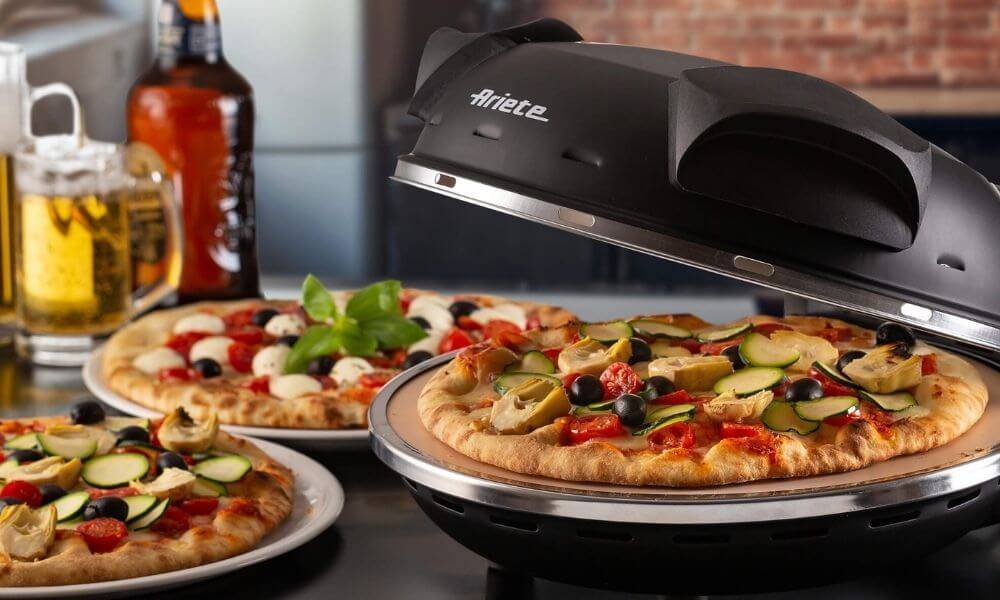
Pizza is one of the iconic dishes of Italian tradition, appreciated worldwide for its taste and versatility. It is an all-Italian pride coming from the past, and its preparation is a true art form. This art persists in modern times, enriched by innovative techniques, materials, and solutions that are increasingly emerging in the culinary world. Among these is the use of the so-called refractory stone (or pizza stone), now present in many latest-generation ovens - including those in the vast Ariete range. The refractory pizza stone significantly improves the final result even in home cooking, ensuring even and perfect cooking. Let's discover its characteristics, how to use it, its benefits, and how to clean it correctly to prevent it from losing its unique properties.
Refractory stone: what it is
The refractory stone, generally used in the oven for pizza, is substantially a cooking stone that improves the baking quality of leavened products. It is usually used to compensate for the lower power of domestic ovens compared to professional pizzeria ovens. It features a cooking surface made of materials like clay, mortar, and cordierite, which promote heat circulation. As mentioned, it is particularly useful for cooking pizza to perfection, but also bread and leavened desserts, as it closely recreates the conditions of a wood-fired oven.
Its unique capacity to absorb moisture, while simultaneously storing heat and then distributing it evenly by maintaining a very high temperature, makes it a necessary and decisive element for optimal cooking on every occasion. Furthermore, the refractory stone - by its very nature - is capable of maintaining the absorbed temperature for a long time, cooling down very slowly. You will therefore understand that the time saving is remarkable: for this, and for the other qualities listed, Ariete has created the electric pizza oven with refractory stone inside the cooking chamber. With a maximum temperature of 400 degrees and its 5 cooking levels, it is the right ally for preparing high-level homemade pizza. This way, you can amaze friends and relatives with taste and crunchiness, and with a well-cooked, soft, and fragrant dough.
Pizza stone: how to use it
Now that we understand what a refractory stone is, we can explore its actual use. Generally, in traditional home ovens, this must be placed on the central rack of the appliance while it is still off - otherwise, we risk damaging it - which is subsequently turned on by setting the desired temperature. The stone needs a time varying between 30 and 60 minutes to reach the ideal temperature for cooking pizza: only then can we proceed with cooking, which should ensure a result unmatched by other common methods. The pizza will take from 5 to 10 minutes to cook, and after cooking, we must turn off the oven and wait for the slab to cool completely before moving or cleaning it.
This type of cooking does not present any particular problems. However, there are modern ovens on the market that make it even simpler and more immediate. The Ariete pizza oven, for example, improves its performance with a high-quality refractory stone plate with a 30cm diameter that allows you to cook and/or heat pizza and focaccia optimally. Fast high-temperature cooking allows you to replicate the same method as wood-fired ovens, and in just 4 minutes you get a perfect cook for homemade pizza, with perfect crunchiness and browning. We can also use the two practical wooden paddles included to place the pizza on the hot stone and remove it comfortably as soon as it is cooked.
How to clean the pizza stone
The materials the refractory stone is made of do not require specific treatments during cleaning, which must always be performed once the stone has completely cooled. However, it is good to keep in mind some small precautions to avoid damage, considering that these are rather fragile materials. Being particularly porous, it is not recommended to use a large amount of water, just as the use of oil or detergents should be banned, as they could add harmful effects during the cooking phase.
generally, to clean and maintain the pizza stone, the indications are simple and clear. Once the surface has cooled, we must proceed to remove any remaining food residues with a brush and spatula, and then quickly wipe with a wet but well-wrung abrasive sponge. If traces of food persist, they can be eliminated with the help of salt and finally with a cloth dampened with water and white vinegar. Some stains may remain on the shelf, but they will not affect subsequent cooking in any way.



Related Products:
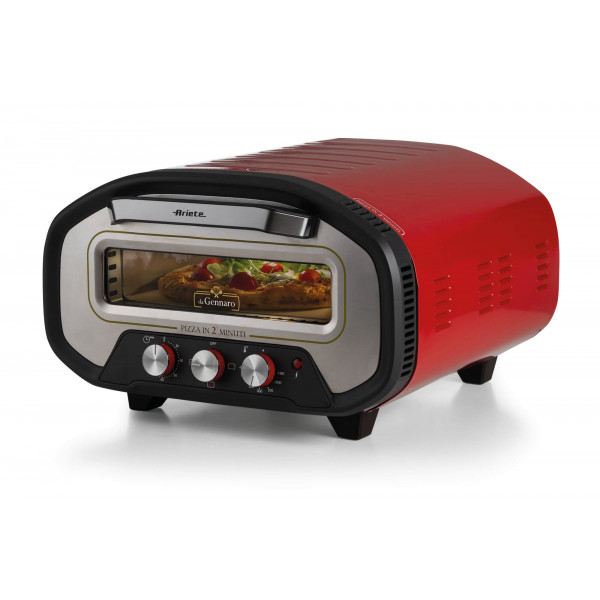
Da Gennaro
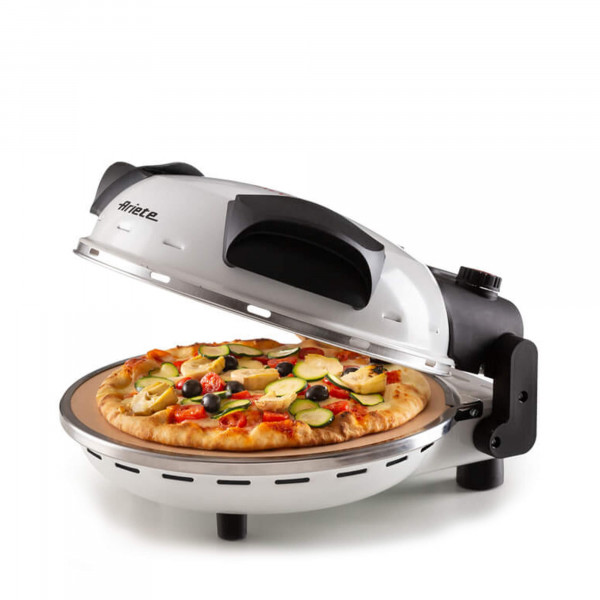
Pizza in 4 minutes White
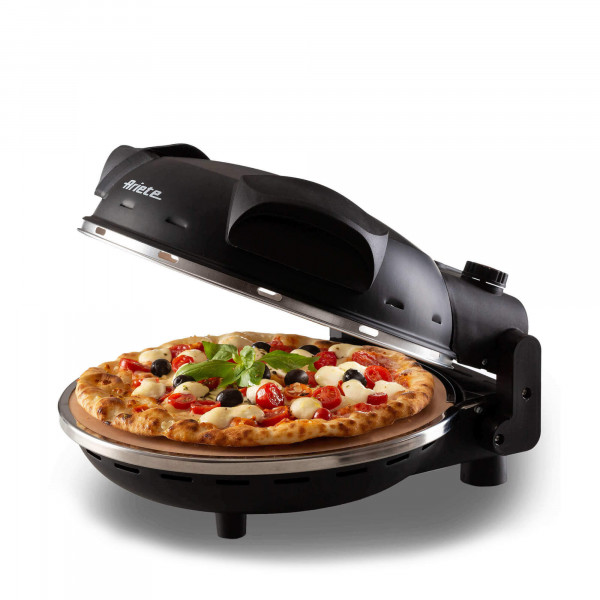
Pizza in 4 minutes Black