Genoese pesto recipe with hand blender
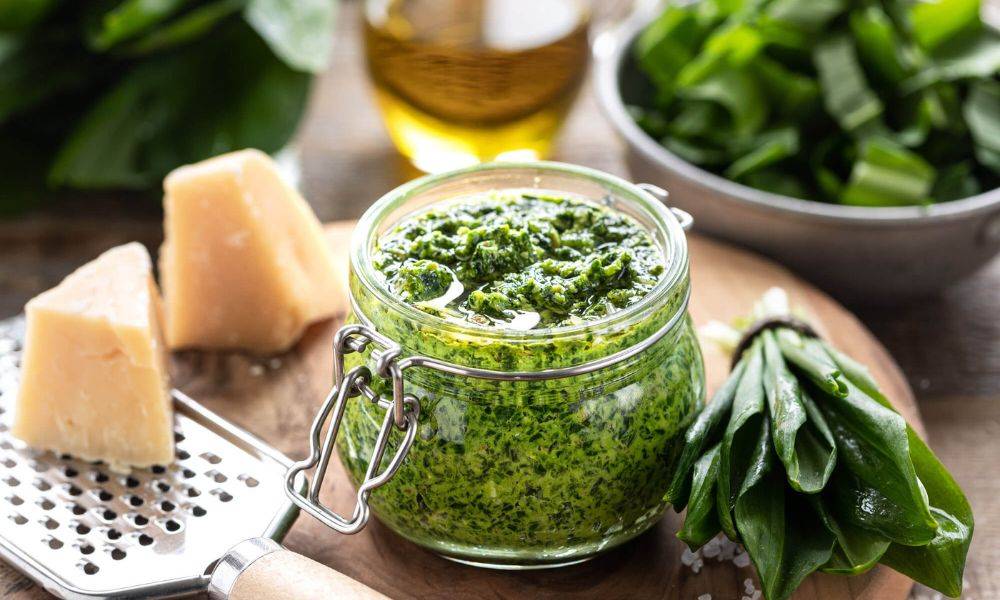
While easily found in supermarkets, fresh homemade pesto remains unbeatable for pasta dishes or as a delicious topping for bread and bruschetta. Typical of Italian culinary tradition, specifically from Liguria, it is traditionally prepared using a mortar and pestle to grind and blend the few necessary ingredients.
However, not everyone has this tool in their kitchen or knows how to use it correctly. Fortunately, you can also make authentic Genoese pesto using an immersion blender like those available in the Ariete online shop. In just a few minutes, the vibrant green and scent of fresh basil will fill your kitchen, and you can enjoy the pesto immediately or store it for last-minute lunches or dinners. Let’s see how to make homemade pesto with a hand blender, along with some tips to bring a thick and flavorful sauce to the table, just like the Genoese tradition.
Homemade pesto with a blender: Ariete's tips
Genoese pesto has a long and noble tradition that should be respected, if not entirely, at least in its most important aspects. There are two main factors: the ingredients - which we will see later - and the preparation process. As mentioned, a marble mortar and a wooden pestle are the quintessential tools for the recipe, but an Ariete hand blender is perfect for speeding up the process and, above all, preparing pesto in larger quantities.
The original recipe for Genoese pesto calls for two types of cheese: Parmigiano and Pecorino. If you are not used to the bold and salty flavor of Pecorino, you can always replace it with more Parmigiano, using the same amount. Similarly, some may not enjoy the presence of garlic: no worries, because the garlic-free Genoese pesto recipe with a blender is practically the same, and the result will be just as tasty.
Genoese Pesto: ingredients for 8 people
Genoese pesto requires specific ingredients that go beyond just basil, oil, and pine nuts. For a genuine mixture like the one our grandmothers made, we will need fresh basil, Parmigiano Reggiano, Sardinian Pecorino, pine nuts, garlic, coarse salt, and extra virgin olive oil. Specifically, here are the quantities to season approximately 8 pasta dishes:
- 100 grams of basil
- 70 grams of Parmigiano Reggiano
- 30 grams of Sardinian Pecorino
- 70 grams of pine nuts
- 120 grams of extra virgin olive oil
- 3 cloves of garlic
- 1 teaspoon of coarse salt
If you are looking for a truly mouth-watering result, try to get Genovese Basil DOP, mild garlic, and Parmigiano Reggiano aged at least 24 months.
Genoese pesto recipe with an immersion blender
Now that we have listed all the necessary ingredients, we can finally dive into the Genoese pesto recipe using a practical immersion blender. First of all, remember to place the extra virgin olive oil in the refrigerator to prevent it from oxidizing excessively. Now, wash the basil leaves under running water and dry them carefully with a cloth. Once they are perfectly dry, place half of the basil leaves into the immersion blender.
After pressing the garlic - or finely chopping it with an Ariete chopper or a professional hand blender equipped with a chopper attachment - add the rest of the ingredients, being careful to add the salt gradually. Once done, blend the mixture for a few seconds and stop the blender. Proceed with the remaining basil leaves, blend again, and stop the blades once more. This "pulse" preparation method is useful to prevent the pesto from overheating, ensuring it doesn't darken or turn bitter.
Homemade pesto made with a hand blender can be stored in the refrigerator in an airtight container for 2 or at most 3 days, making sure to cover the sauce with a layer of olive oil. You can also freeze the pesto in small plastic or tempered glass jars, then thaw it as needed in the refrigerator or at room temperature.